

I am putting this newsletter together in the Venue Cymru conference centre in Llandudno at the end of Plaid’s first conference since they won power in May - and I am genuinely conflicted about how I go about writing it up.
Over the last couple of days I have had two distinct impressions of the current situation with Plaid and the Welsh Government.
On the one hand, some felt it was the last leg of a victory tour that should have ended in July. Many conversations I had with representatives from charities, pressure groups and unions were of frustration that, despite promises of real change, they felt there hadn’t been the urgency, boldness and courage that is needed. Some railed against what they perceive to be a new government overwhelmed and being led by risk-averse civil service.
On the other hand, many expressed hope and optimism couched in realism. That some really effective ground work has been put in place, that deep-rooted problems are not fixed over the course of a single summer and that there are, finally, attempts to tackle some of the structural problems Wales faces.
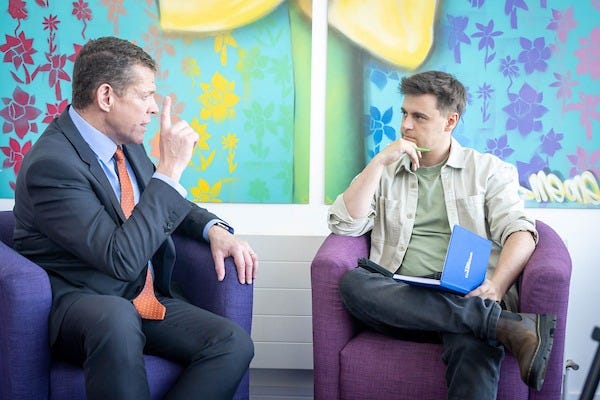
Oddly, I think that both of the above points of view have merit. I have interviewed the First Minister, members of the cabinet, policy buffs, frontline workers, pollsters and grassroots members over the course of the last 48 hours to try and shed light on where the new Welsh Government is at, and where it is going.
Due to the word constraints on a single newsletter, you will get the analysis over the course of a few days. This newsletter is an overview. In the first half of next week you will get my interview with Rhun ap Iorwerth, along with some deeper analysis.
Before we dive into it, two quick bits of housekeeping:
Over the last few days we have had a lot of new sign-ups since our exclusive piece looking at Reform MP Sarah Pochin’s £800k second home in Wales. For all of you newbies, if you want to see our deep dive into Plaid’s first 100 days in Government you can do so here.
Several of you have very kindly asked if there is a way to directly support the newsletter beyond a paid subscription. If you want to make a direct donation, you can do so through this link. To be very clear, we know times are hard and we don’t want anyone to give us anything if you are in a tough financial situation. Subscribing and sharing the newsletter is the best way to support us.
The reason I am so proud to be sponsored by Hello Starling is that they are superb at what they do.
As media planning and buying specialists, they are experts at getting your product/message/campaign in front of people you want to reach. I know first hand how good they are. They have been instrumental in helping the newsletter grow.
Frustrations and deeply entrenched issues
There is no doubt that many of the representatives from charities, pressure groups and unions at the conference felt frustrated at what they feel has been a lack of action.
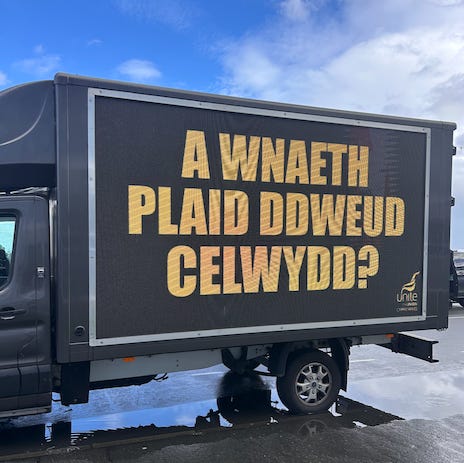
The Unite Union had a van parked outside the conference suggesting that Plaid had “lied” when it came to supporting striking health visitors at Cwm Taf Morgannwg University Health Board.
Mark Turner, political officer for Unite Wales, told me regarding Plaid:
“They need to grow some balls. This is where Keir Starmer came unstuck. They don’t understand what being in government really needs and we are at a stage where things have to be said”.
Some people told me that they felt Plaid were being overly led by the civil service and that they were frustrated by a perceived lack of action. It’s obvious that since entering government Plaid politicians have been taken aback by the scale of the fiscal challenge and the limits on the tools available to them. We were promised some defined targets on their digital dashboard by the end of the summer and many of those metrics are simply not there yet.
To explore the challenge facing Plaid more deeply, let’s talk about culture and sport, which come under one ministerial brief.
“I honestly thought there was data regarding sport and culture”
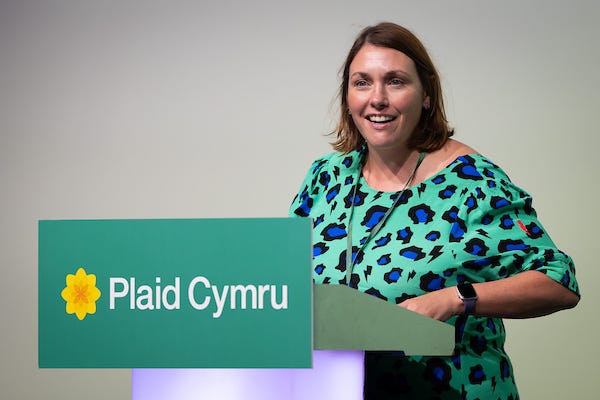
At the conference I sat down with Cabinet Minister for Culture and Sport Heledd Fychan. Back in March I interviewed her and Plaid made it clear that within six months of being elected they would publish a long-term strategy for arts and culture.
Based on that timescale, we should be getting a strategy at the end of November. However, the messaging coming out from Plaid is that it won’t likely be until the end of spring 2027. So why the delay?
Ms Fychan told me:
“I honestly thought there was data regarding sport and culture infrastructure and the impact of cuts in recent years, or at least some kind of mechanism by which funding was decided. I honestly thought when I was in opposition, it was just that they weren’t sharing it with me.
“But then I came into office and it actually doesn’t exist. Things like knowing what the state of sporting facilities are across Wales which are in need of investment and what the backlog for maintenance is. Some sporting governing bodies have collated that data themselves, but some are owned by local authorities or leisure trusts or within schools and so on. Even where the data exists it is not held together.
“My question then is: How do you know what level of investment is needed, but also how you prioritise? I thought it was so obvious that you needed to have the data to inform how you prioritise. So that’s been a shock.”
Ms Fychan told me that work was now underway to gather this information.
I can totally believe this is the situation regarding sport and cultural facilities in Wales. Last year this newsletter published an exclusive leaked report into the issues within the then Welsh Government’s culture division. I also know from writing my book that getting reliable Welsh-specific data across a whole range of policy areas in Wales is very hard.
Culture and sport in Wales have been a total afterthought for successive Welsh Governments for over a decade. The previous “priorities for culture” were embarrassingly vague. I have sympathy with Plaid not wanting to set targets and allocate funding when they literally don’t have the data to underpin those decisions.
So when assessing the performance of Plaid so far, there is a balance to be struck between offering understanding that they have a really tough job to do, and holding their feet to the fire for their previous rhetoric. We have discussed previously how Plaid repeatedly criticised Labour when they were in power over a lack of targets and for over-consultation.
They were not so naive to think the job of governing wouldn’t be hard, but the reality of tackling entrenched problems, with tightening budgets and limited data on the actual problems they face, all without a majority, is really hitting home.
Excuses or reasons?
I also think one of the big problems Plaid face which isn’t really been talked about is the fact that Wales has never really had a change of government.
Though the Senedd arithmetic changed in previous elections, the overall infrastructure of the government has remained pretty much intact following every other Welsh election since 1999. This is the first one where it hasn’t. A totally new party in government means a brand new set of special advisors. This upheaval inevitably means things take time.
When you add this to the fact that 67 of the 96 MSs are brand new to the chamber, it’s a recipe for chaos, at least initially. For context, there are more MSs new to the Senedd following the election than there were total Senedd Members before it.
But while this is an understandable obstacle, it can’t be an excuse. Plaid knew for half a year that they were the most likely party to form the next Welsh Government. They knew they faced a contracting budget. They knew the challenges around waiting lists. There are many areas where they have all the data and reports they need to make swift decisions.
Another challenge for Plaid is around how they are approaching government. There is a genuine desire within the Plaid cabinet to stop the Welsh Gov working in silos. This is a really good thing. It’s incredibly unhelpful when governments do not recognise the deep interconnectedness of Wales’ public services. You can’t talk about poverty without talking about education. You can’t talk about education without talking about the economy. In a small nation, you shouldn’t think about the economy without thinking about the arts. You get my point - it’s good that they are trying to have some joined up thinking.
But when it comes to messaging, this has led to some confusion within individual sectors. Announcements and conversations about housing may be talked about within the health brief because the two are entwined. This has led to some good measures being missed or not cutting through.
More broadly, I think the Welsh Government’s messaging on how and why they are doing things have been lacking. They talked ad nauseam before the election about the need to take the public with them but I don’t believe they have been that effective in this so far.
Of course, every Welsh Government since 1999 has struggled to have their messaging cut through with the public, but when your highest profile recent message was that you have done a vague deal with Sinn Féin and the SNP while at the same time the longest NHS waits have gone up, you are using political capital to just offer your opponents gifts.
Increased focus on climate and nature
It was noticeable that there has been a conscious effort to put climate change and the environment higher up the priorities list. We reported several times before the summer recess concerns at some of the messaging coming from Plaid on the environment as they sought to please their rural and agricultural base.
However, this seems to have changed. The first issue Rhun ap Iorwerth brought up in his speech was climate change and the need for action. Llyr Gruffydd, the minister responsible for both farming and tackling CO2 emissions, also pushed their environmental priorities harder than I have seen before.
It wasn’t just me who noticed the change in messaging. Several representatives from environmental charities have commented on the change in priorities and engagement. As I walked out of the First Minister’s speech, one of those representatives said three words that they felt had triggered the change:
‘Fires and floods’
Nothing focuses minds like directly witnessing the consequences of inaction.
It’s also interesting that farmers’ unions I spoke to were quietly optimistic. The Sustainable Farming Scheme has 50% uptake at present and unions seem to believe that with some ongoing tweaks this could increase.
“Burnham is genuine, Welsh Labour are all at sea”
I have been to a lot of Plaid conferences and I have never heard anyone be as positive about a UK Labour leader as they were about Andy Burnham. There is a widely held belief that Burnham is serious about having a good relationship with Plaid.
What is also clear is that Plaid’s good feelings do not extend to any other part of Labour.
New sec of state for Wales Stephen Kinnock was described by one figure as “in the wrong job”. There was real anger at “the voice of Wales in cabinet” describing Reform and Plaid as “the same poison” and a belief that he is not the best placed person to maintain a productive working relationship between the Welsh and UK Gov.
One other interesting nugget I have heard several times is the rumour that in a future reshuffle, Mr Kinnock could be replaced with….drumroll….. Eluned Morgan.
As a member of the House of Lords, Baroness Morgan would be able to sit in a UK Government cabinet. This would be intriguing, given her previous demands for further devolution to Wales when First Minister.
File this under rumours for now…
Rhun ap Iorwerth’s demands
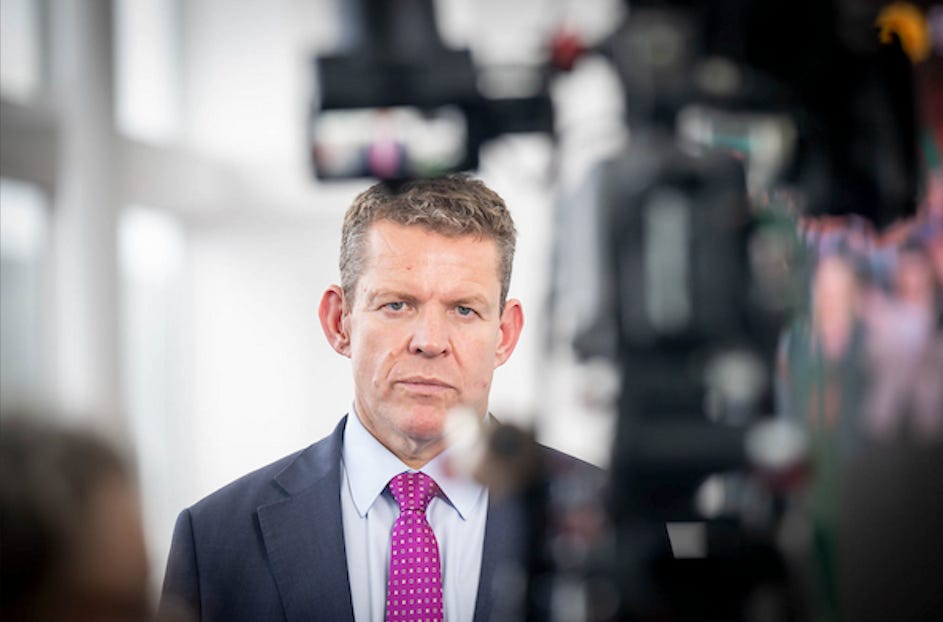
There weren’t a lot of new policies at the conference. The main headline was Mr ap Iorwerth using his speech to announce his demands for the new Prime Minister.
He said:
I’ve looked him in the eyes and said do not undermine Wales as a nation... do not bypass our Senedd.
And he looked me in the eyes and promised he would not. I will hold him to that. Wales will hold him to that.
So today I can confirm that I have written to the Prime Minister with a formal ask - A New Deal for Wales.
A New Deal to redress the historic unfairness of our fiscal and constitutional settlement and to put Wales on an equal footing with Scotland as a bare minimum.
A New Deal - the first of its kind – whereby a Welsh First Minister invites the UK Government to genuinely treat Wales not as a region of England but as a nation in its own right.
A New Deal to secure powers for a purpose. Not as an end in themselves but as a means of growing our economy and improving outcomes for everyone.
The demands of this new deal were:
Powers over policing and justice.
Rail infrastructure.
The Crown Estate.
Fiscal Fairness.
Welfare.
We will go into more detail on this in the interview with the First Minister in the coming days but these demands essentially aim to bring Wales up to parity with Scotland. The Scots have the Crown Estate, a better funding settlement, heavy rail, control of policing and justice as well as partial control of welfare spending.
Following this was probably the best line in the speech:
If he fails, Wales will know again that our best interests will never be served by Westminster, and that it matters little whether who lives in Number 10 Downing Street is an Evertonian or an Old Etonian.